Book Appointment Now
Choosing the Right Toothbrush for Your Smile
A toothbrush is one of the most important tools for maintaining good oral health, yet many people overlook the importance of choosing the right one. With so many options available, finding the best toothbrush can feel overwhelming. However, selecting the right toothbrush can significantly improve your brushing routine, protect your gums, and help prevent common dental problems.
Whether you prefer a manual or electric toothbrush, using the right type and brushing correctly can make a lasting difference in your oral health.
Why Your Toothbrush Matters
Your toothbrush is your first line of defense against plaque, bacteria, and tooth decay. Brushing effectively removes food particles and harmful bacteria that build up throughout the day.
Using the wrong toothbrush or replacing it too late can reduce cleaning effectiveness and increase the risk of cavities and gum disease.
Choose Soft Bristles
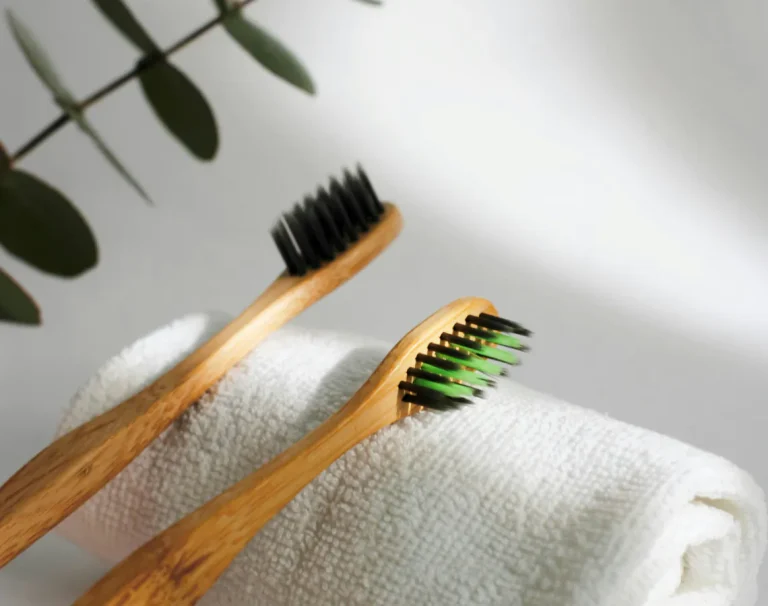
Most dentists recommend using a toothbrush with soft bristles. Soft bristles effectively clean your teeth while being gentle on your enamel and gums.
Hard-bristled toothbrushes may seem like they clean better, but they can gradually wear down tooth enamel and irritate sensitive gum tissue.
Pick the Right Brush Head
A smaller toothbrush head makes it easier to clean hard-to-reach areas, especially around the back teeth.
Look for a toothbrush that comfortably reaches every surface of your teeth without causing discomfort.
Manual vs. Electric Toothbrush
Both manual and electric toothbrushes can effectively clean your teeth when used properly.
Manual Toothbrush
- Affordable and easy to use
- Available in different sizes and styles
- Ideal for everyday oral care
Electric Toothbrush
- Removes plaque more efficiently
- Built-in timers encourage proper brushing time
- Helpful for children and people with limited hand mobility
- Provides consistent brushing motion
Your dentist can recommend the best option based on your individual needs.
Replace Your Toothbrush Regularly
Many people keep the same toothbrush for too long. Worn bristles lose their effectiveness and cannot clean your teeth properly.
Replace your toothbrush or electric toothbrush head every three to four months, or sooner if the bristles become bent or frayed.
If you’ve recently been sick, replacing your toothbrush is also a good idea to reduce bacteria buildup.
Brush the Right Way
Even the best toothbrush won’t help if it’s used incorrectly.
For the best results:
- Brush for at least two minutes.
- Brush twice every day.
- Hold the toothbrush at a 45-degree angle.
- Use gentle circular motions.
- Clean every surface of each tooth.
- Don’t forget your tongue.
Proper brushing removes plaque without damaging your gums.
Additional Tips for Better Oral Health
A toothbrush works best when combined with a complete oral care routine.
Remember to:
- Floss once every day.
- Use fluoride toothpaste.
- Drink plenty of water.
- Limit sugary foods and drinks.
- Visit your dentist every six months.
These simple habits help keep your teeth healthy and your smile bright.
Common Toothbrush Mistakes
Avoid these common mistakes:
- Using hard-bristle brushes.
- Brushing too aggressively.
- Keeping your toothbrush for too long.
- Sharing your toothbrush with others.
- Storing your toothbrush in a closed container while wet.
Making small improvements to your routine can have a big impact on your oral health.
Final Thoughts
Choosing the right toothbrush is a simple step that can greatly improve your oral health. A soft-bristled toothbrush, proper brushing technique, and regular replacement help protect your teeth and gums while keeping your smile healthy and bright.