Book Appointment Now
Why Dental X-Rays Are Essential for Oral Health
A healthy smile starts with early detection, and dental X-rays play a vital role in identifying problems that cannot be seen during a routine examination. While your dentist can examine the visible surfaces of your teeth and gums, many dental issues develop beneath the surface. Digital dental X-rays provide a safe and accurate way to detect these hidden concerns before they become serious.
Modern dental X-rays use advanced technology with minimal radiation, making them an important part of preventive dental care for patients of all ages.
What Are Dental X-Rays?
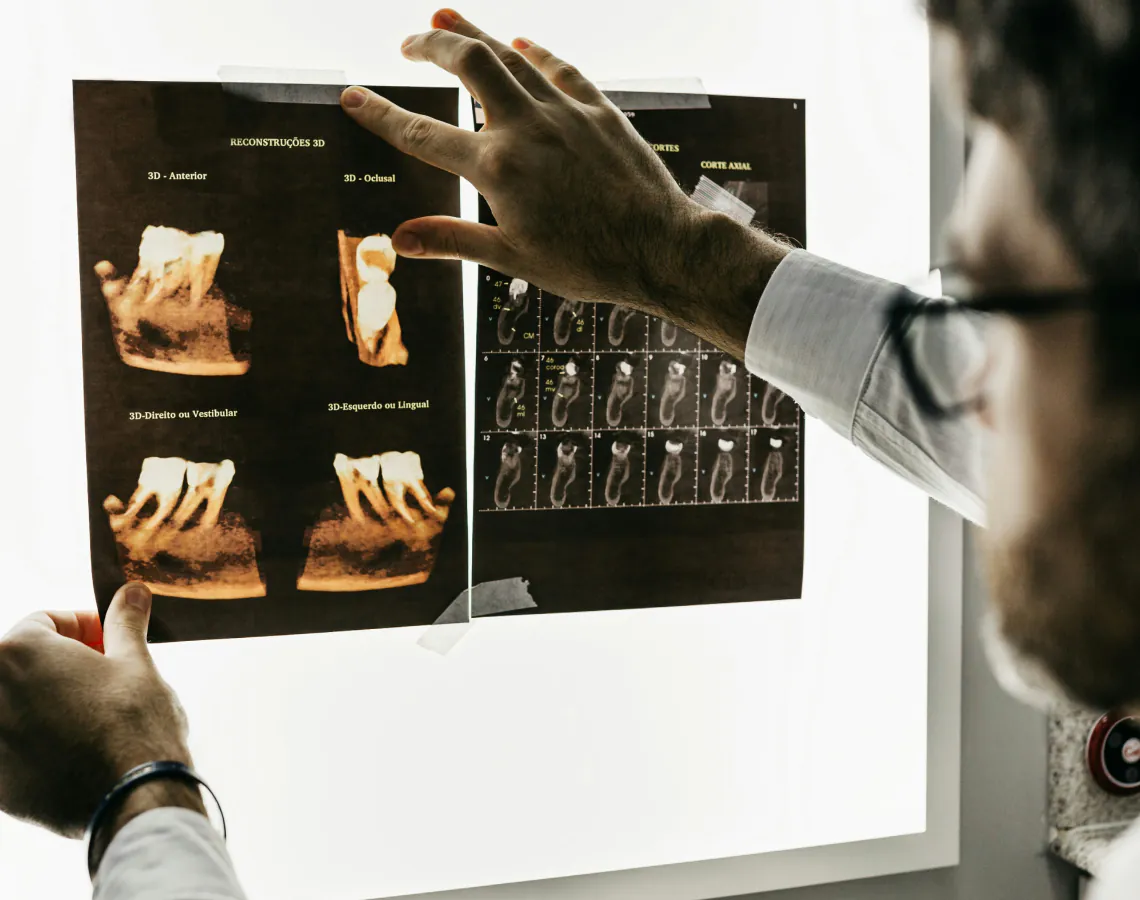
Dental X-rays are detailed images of your teeth, jawbone, and surrounding structures. They help dentists identify issues that are not visible during a regular dental examination.
Using digital imaging technology, dentists can quickly capture high-quality images while exposing patients to significantly less radiation than traditional X-rays.
Why Are Dental X-Rays Important?
Many dental conditions develop without causing pain or noticeable symptoms. X-rays allow dentists to detect these problems early, making treatment simpler, faster, and more effective.
Regular X-rays help monitor your oral health and prevent small issues from becoming major dental problems.
Conditions Dental X-Rays Can Detect
Dental X-rays help identify a wide range of oral health concerns, including:
- Cavities between teeth
- Tooth infections
- Gum disease
- Bone loss
- Impacted wisdom teeth
- Cracked or damaged teeth
- Jawbone abnormalities
- Dental cysts or tumors
- Problems beneath existing fillings or crowns
Early diagnosis allows your dentist to recommend the most appropriate treatment before the condition worsens.
Are Dental X-Rays Safe?
Yes. Modern digital X-rays are extremely safe and use significantly less radiation than older imaging systems.
Dental clinics also use protective lead aprons and thyroid collars to further minimize exposure, ensuring patient safety during every examination.
For most patients, the benefits of early diagnosis greatly outweigh the minimal amount of radiation involved.
How Often Should You Get Dental X-Rays?
The frequency depends on your age, oral health, and dental history.
Your dentist may recommend X-rays:
- During your first dental visit
- Once every one to two years for routine care
- More frequently if you have ongoing dental problems
- Before orthodontic or implant treatment
- Following dental injuries or trauma
Your dentist will determine the right schedule based on your individual needs.
Benefits of Digital Dental X-Rays
Modern digital imaging offers several advantages:
- Faster image capture
- Improved diagnostic accuracy
- Lower radiation exposure
- Clear, high-resolution images
- Environmentally friendly technology
- Easy sharing with dental specialists
These benefits allow dentists to provide more accurate diagnoses and personalized treatment plans.
Preparing for a Dental X-Ray
Dental X-rays require very little preparation. Before the procedure, remove any jewelry, glasses, or metal objects that could interfere with the images.
The process takes only a few minutes, is completely painless, and allows your dentist to examine your oral health in greater detail.
Final Thoughts
Dental X-rays are one of the most valuable tools in modern dentistry. They help detect hidden dental problems early, improve treatment planning, and protect your long-term oral health.
By combining regular dental checkups with digital X-rays when needed, you can prevent serious issues and enjoy a healthier, more confident smile for years to come.